

Starting July 1, 2026, the federal government is launching the temporary Medicare GLP-1 Bridge Program. Breaking a decades-old ban, this pilot program allows eligible Medicare Part D beneficiaries to access blockbusters like Wegovy®, the Zepbound® KwikPen®, and Foundayo® for a flat $50 monthly copay. We outline the strict BMI tiers, required prior authorization steps, and hidden catches you must know.
Breaking News for Medicare Beneficiaries
This is a monumental shift in federal healthcare policy. For the first time in history, Medicare is opening a direct pathway to cover cutting-edge weight-management medications. We are putting this historic pilot program under the microscope so you know exactly how to leverage it.
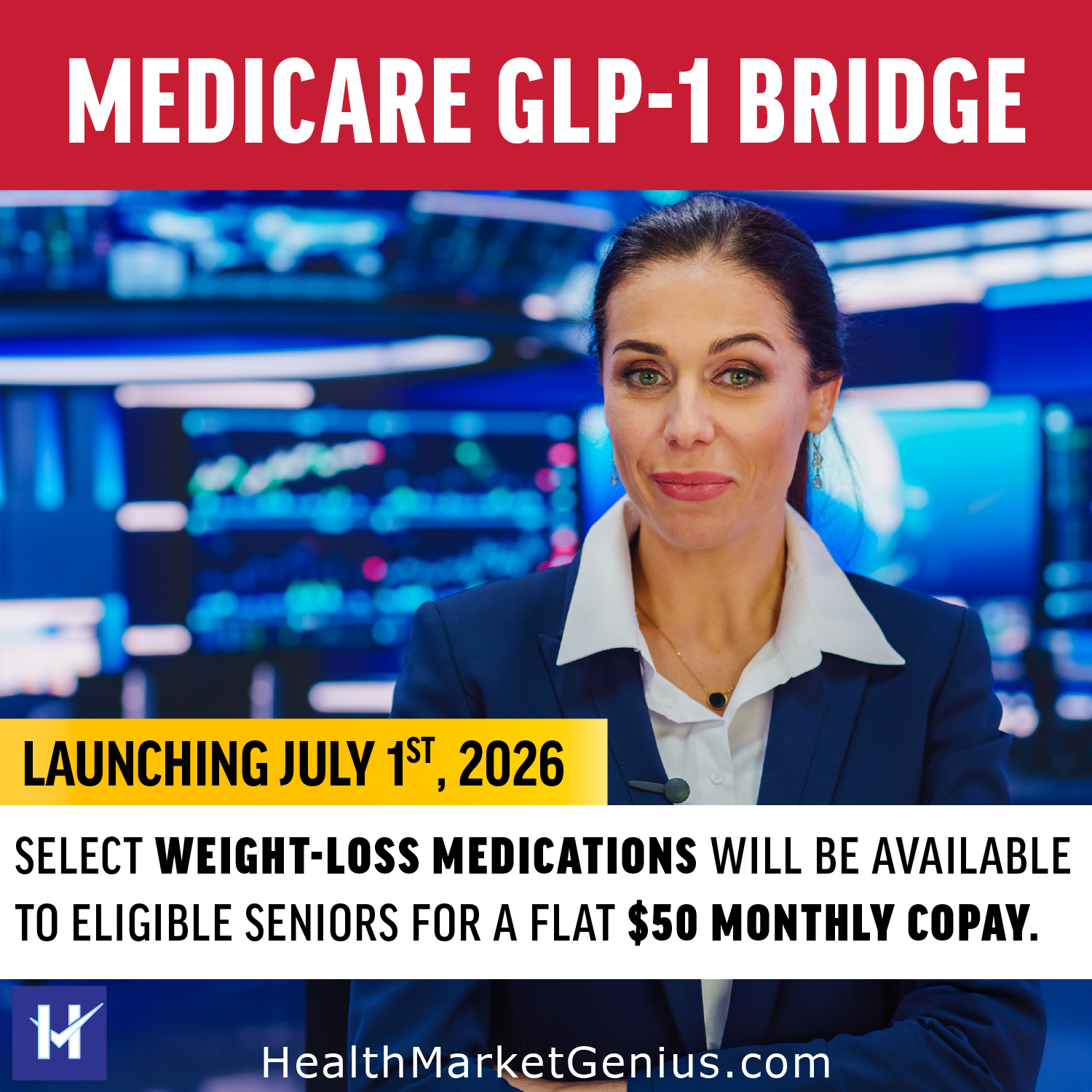
The $50 Monthly Copay Revolution
Price has always been the primary barrier to these life-changing therapies, with retail costs often soaring past $1,000 a month. Capping the out-of-pocket cost at a flat $50 is a game-changer for older adults living on a fixed retirement income.

Why Medicare Said No Until Now
To understand how massive this news is, you have to look at the law. Since the Medicare Modernization Act of 2003, statutory rules explicitly blocked Medicare from paying for weight-loss drugs, classifying them as lifestyle choices rather than medical necessities.
A Modern Pilot Program Takes Off
The Centers for Medicare & Medicaid Services (CMS) is using its special regulatory authority to launch this demonstration. Think of it as a legal test run designed to gather data on how expanding access to anti-obesity medications can lower overall healthcare costs.

Do You Meet the Requirements?
While the news is exciting, this program isn't a blanket approval for every senior. CMS has introduced strict clinical guidelines and verification standards that beneficiaries must clear to unlock the $50 pricing.
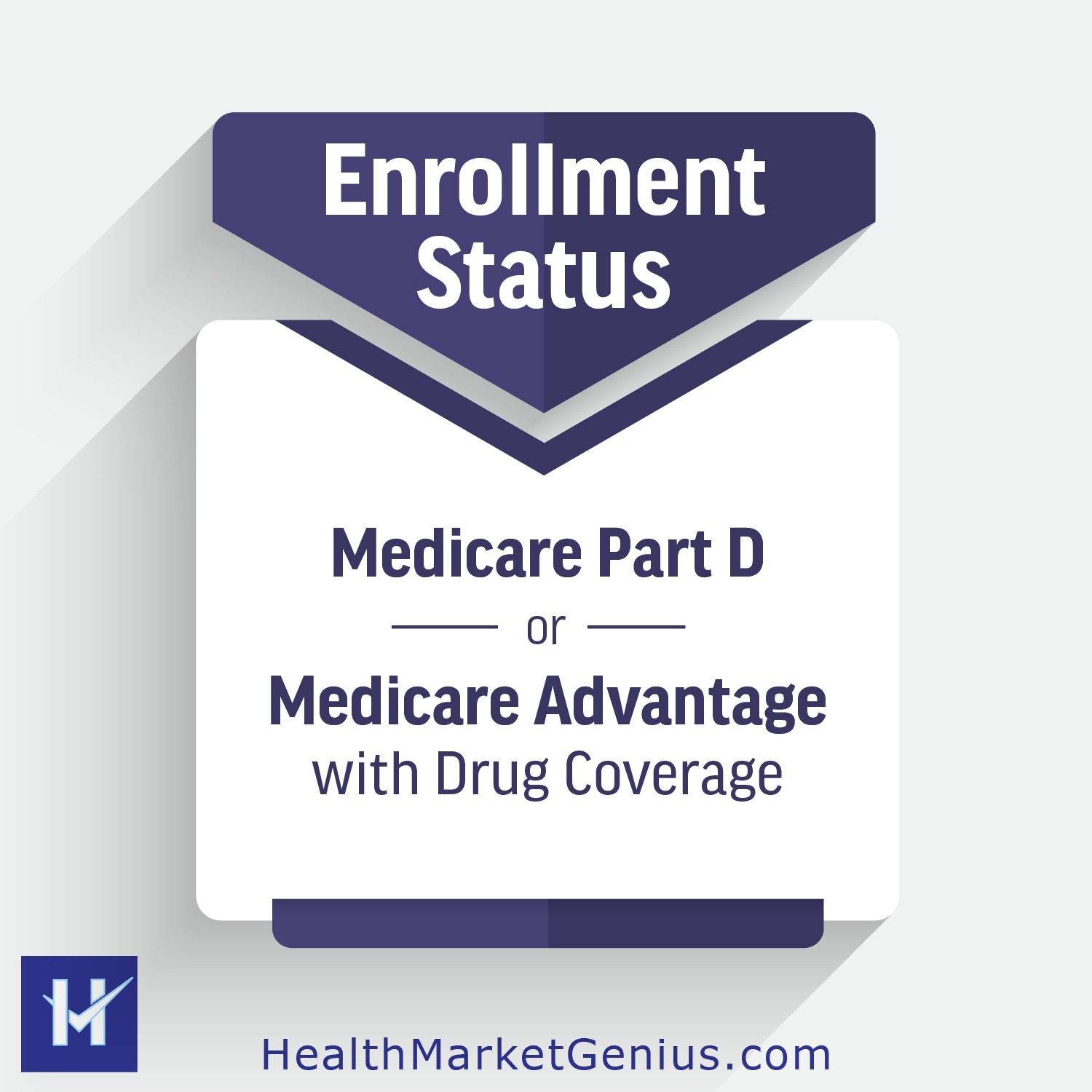
You Must Have Part D Coverage
The first hurdle is your fundamental plan structure. Because this program is designed as a bridge for prescription medication, you must hold an active standalone Medicare Part D plan or a Medicare Advantage plan that includes integrated drug coverage (MAPD).
Evaluating Your Medical History
CMS is looking closely at your clinical timelines. To qualify, your doctor must verify that you met specific medical requirements at the exact time your GLP-1 therapy was originally initiated, even if you started taking the drug before Medicare introduced this program.
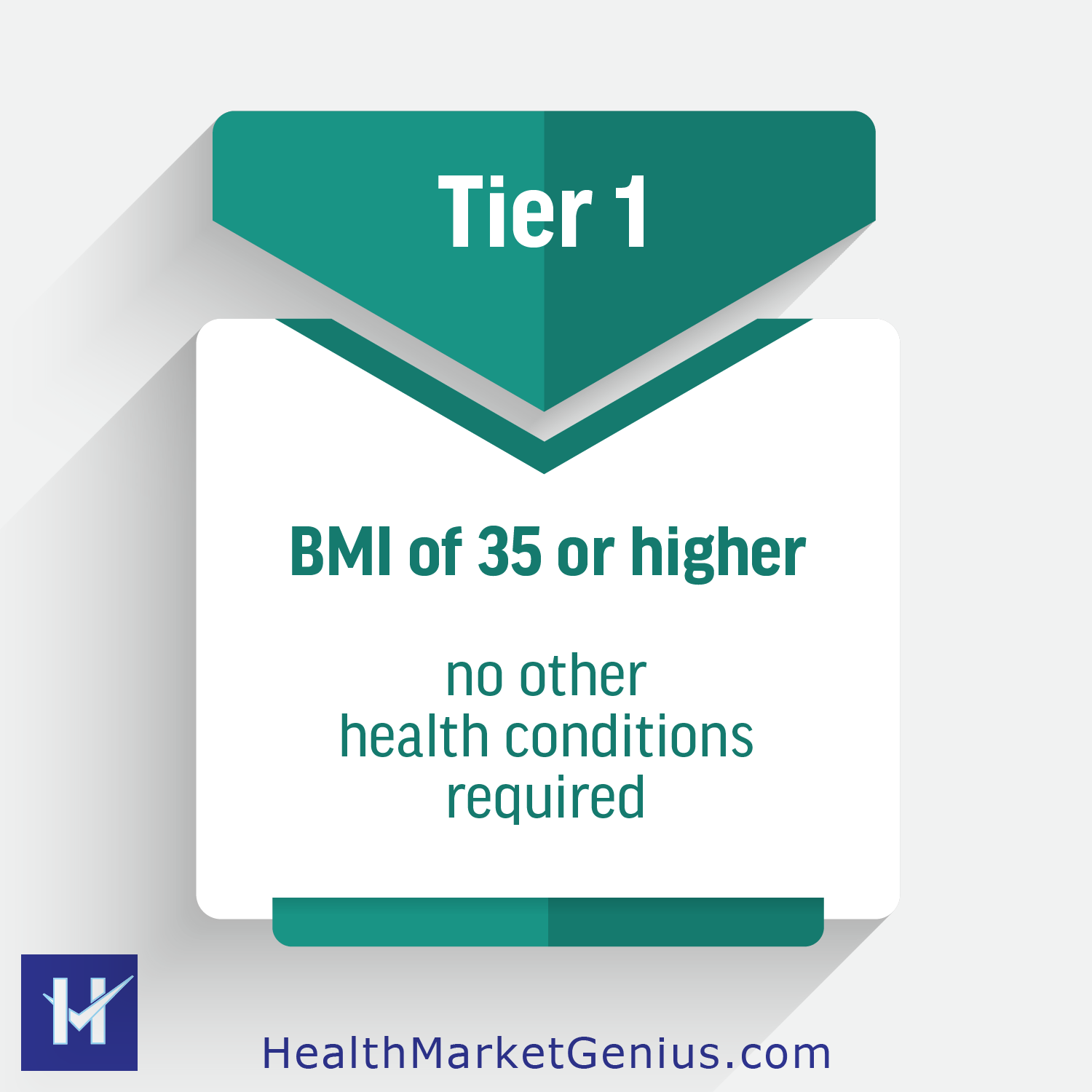
Tier 1: Severe Obesity Criteria
Under Tier 1 rules, a Body Mass Index (BMI) of 35 or greater acts as an automatic qualifier. If your baseline measurements cross this threshold, CMS recognizes the critical necessity of medical intervention, meaning no secondary chronic illnesses are required to secure approval.
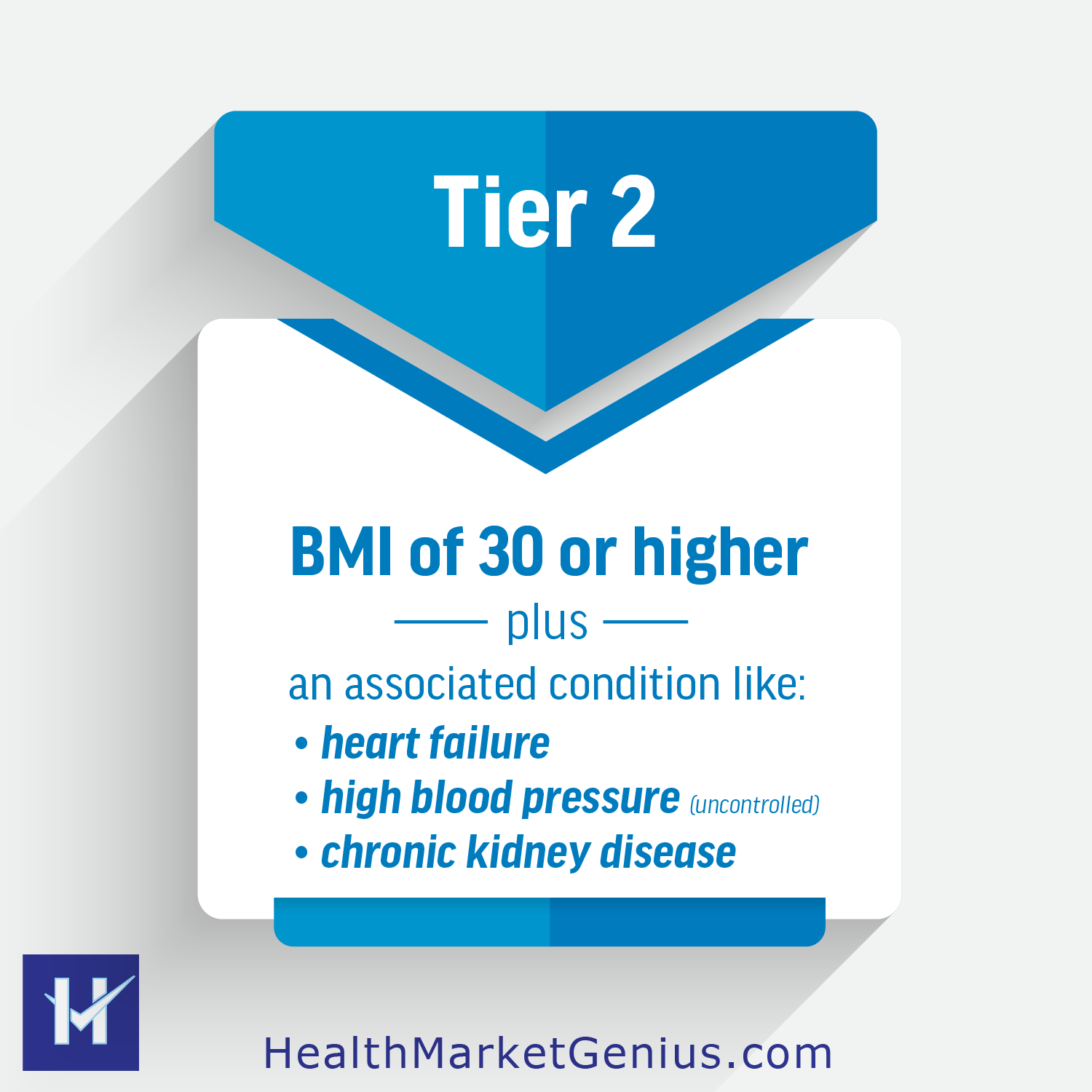
Tier 2: Moderate Obesity with Comorbidities
Tier 2 addresses moderate obesity. If your BMI is 30 or higher, you can qualify by showing that you face an interlocking health condition. This includes chronic kidney disease (stage 3a or above), heart failure, or severe high blood pressure that requires multiple daily medications to control.
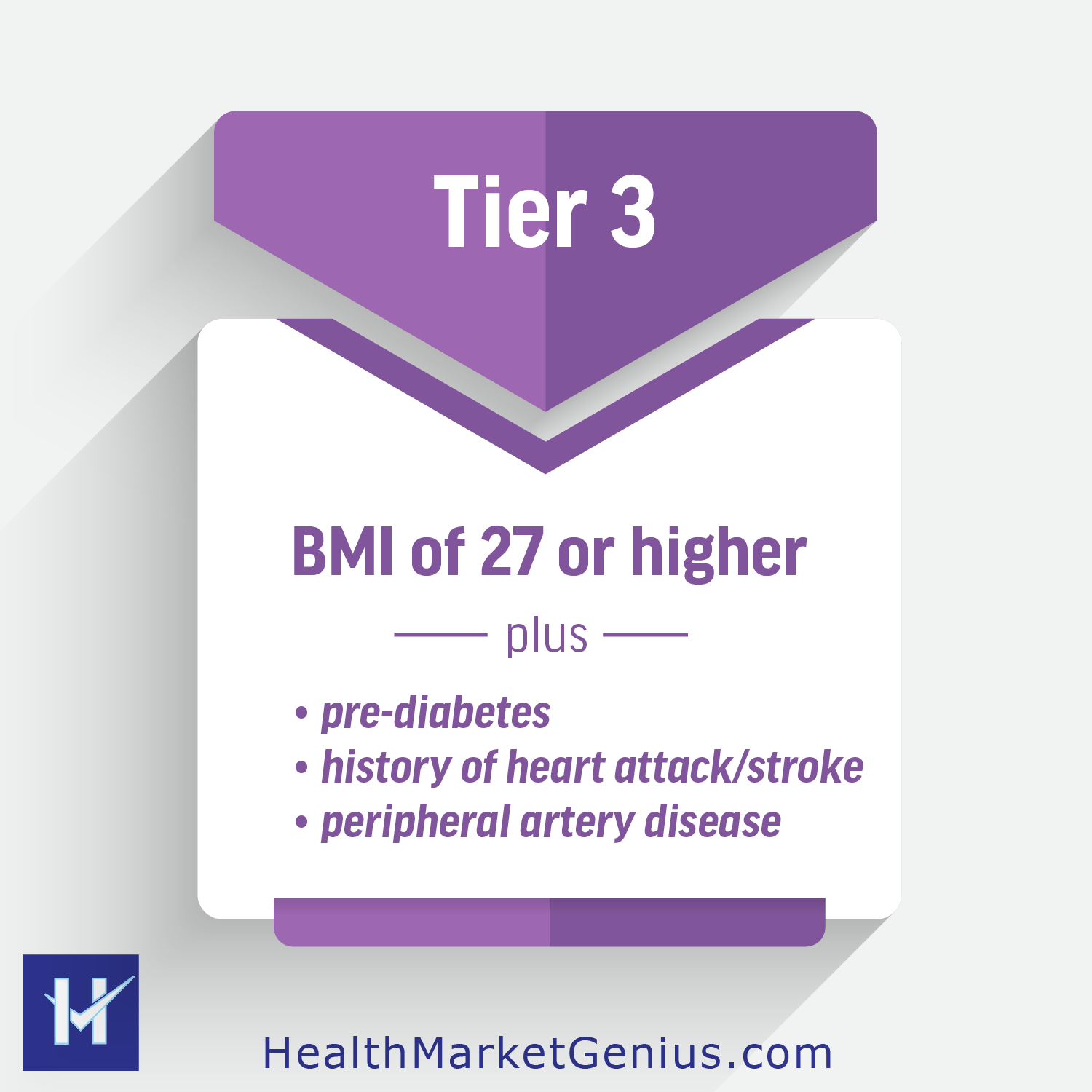
Tier 3: Overweight with Cardiovascular Risks
Tier 3 focuses on preventive intervention for individuals classified as overweight. A BMI of 27 or higher unlocks coverage if you have a documented history of cardiovascular events—like a previous heart attack or stroke—peripheral artery disease, or medically confirmed pre-diabetes.

Mapping the Approved Formulary
It is critical to know that this program operates completely separate from your regular Part D plan formulary. Only specific, newly authorized anti-obesity drugs are routed through this centralized $50 payment system.
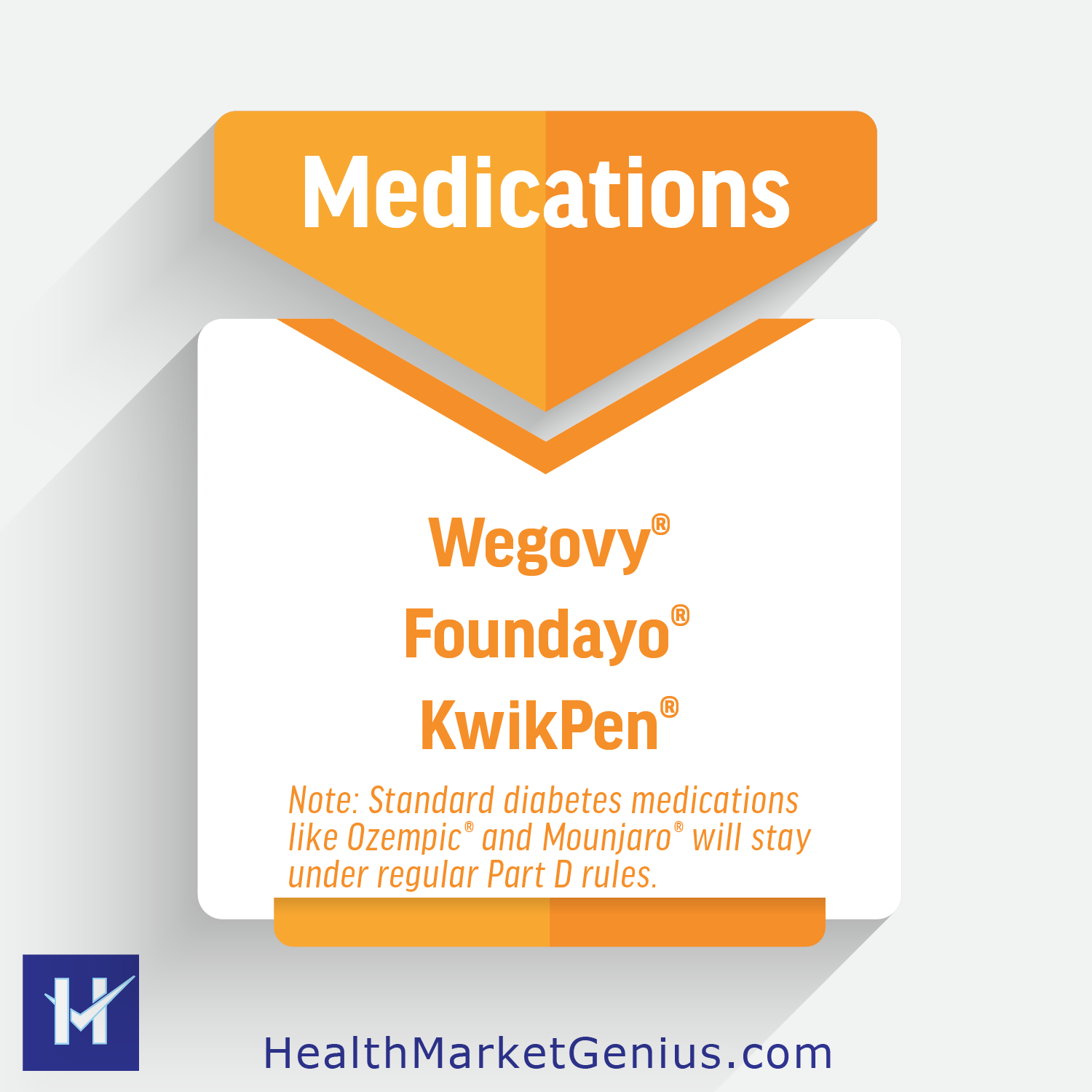
Approved Weight-Loss Drugs vs. Diabetes Meds
The program specifically covers Wegovy® (injectables and pills), the Zepbound® KwikPen®, and Foundayo® (Eli Lilly's new oral pill). Traditional diabetes blockbusters like Ozempic® and Mounjaro® are completely excluded from the Medicare GLP-1 Bridge Program because they are already covered under standard Part D rules.

Securing Your Benefits
Unlocking this $50 benefit requires following a highly regulated, step-by-step clinical pathway. You cannot simply show up at your local pharmacy counter with a standard prescription slip and expect the discount to apply automatically.
Schedule a Doctor's Appointment
Everything starts in your doctor’s office. Your healthcare provider must personally evaluate your current medical baseline, confirm that you match one of the three required BMI tiers, and explicitly document that you have received comprehensive counseling on necessary lifestyle changes.
Submitting the Paperwork
Once medical necessity is confirmed, your doctor must submit a comprehensive Prior Authorization Request. This form acts as a legal attestation under penalty of perjury, ensuring that every piece of diagnostic criteria matches your formal medical records.
Federal Eligibility Verification
Unlike standard prescriptions that go through your private insurance company, these claims are routed straight to a central processor managed by Humana on behalf of CMS. This central system cross-references your application directly against federal Medicare data to verify your eligibility.
Filling the Prescription
Once the central processor issues an approval, the green light is sent directly to your local pharmacy. Pharmacies do not need to manually opt-in to participate, meaning you can continue using your preferred, trusted pharmacist to fill your medication.
Pay Your Flat $50 Monthly Copay
When you arrive to pick up your prescription, your total out-of-pocket cost is legally locked at $50 for a 28-day or 30-day supply. This flat copay applies universally, even if you normally qualify for extra financial help through the federal Low-Income Subsidy program.

Hidden Financial Rules
Because this program runs on an entirely separate administrative track outside of traditional Part D insurance structures, there are two massive financial catches that every senior must watch out for before enrolling.
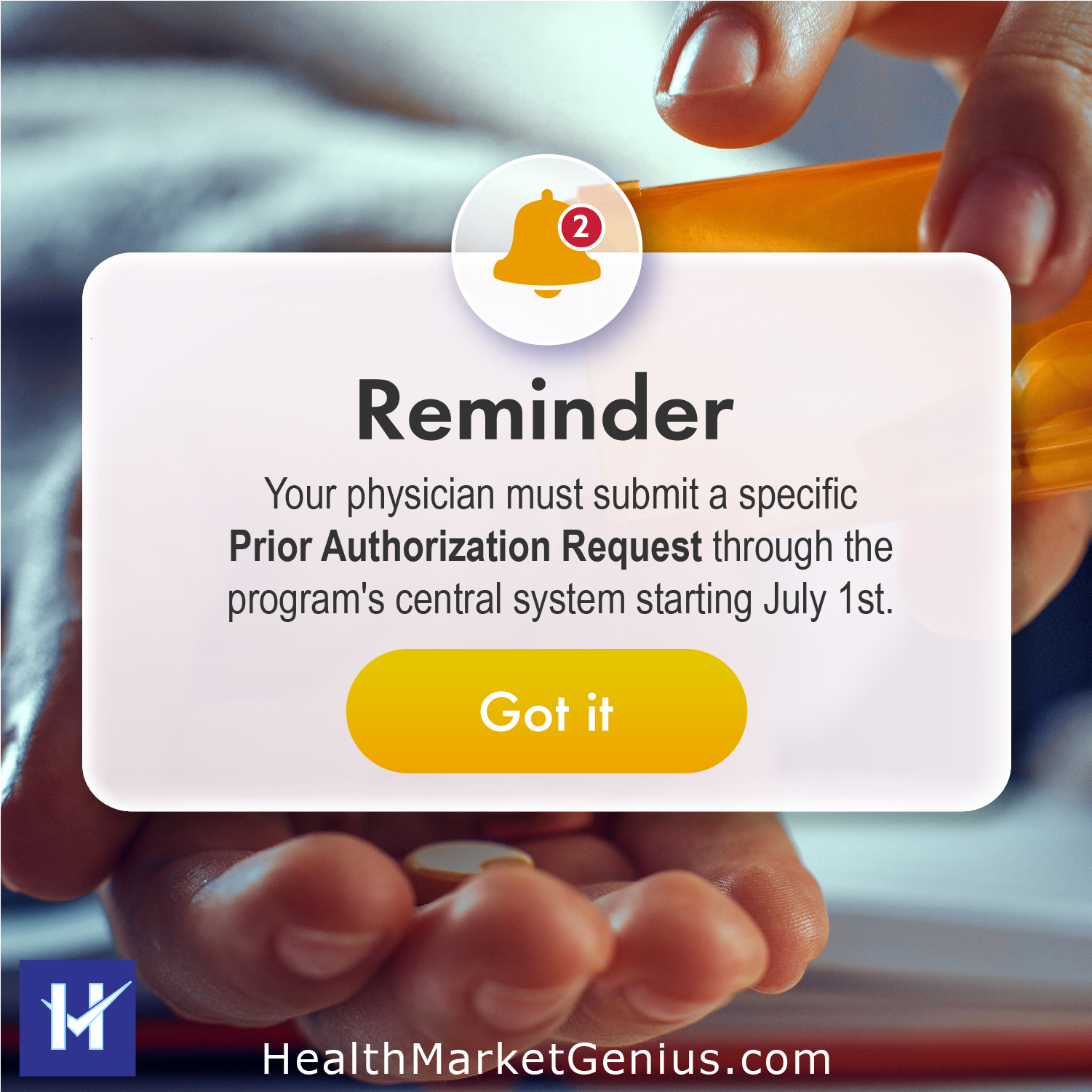
Using the Central Authorization Portal
Your doctor cannot use their normal insurance portal or fax lines to secure this benefit. They must submit your clinical documentation directly through the dedicated CMS Bridge portal. If they send it to your standard Part D insurer, the application will be rejected instantly.
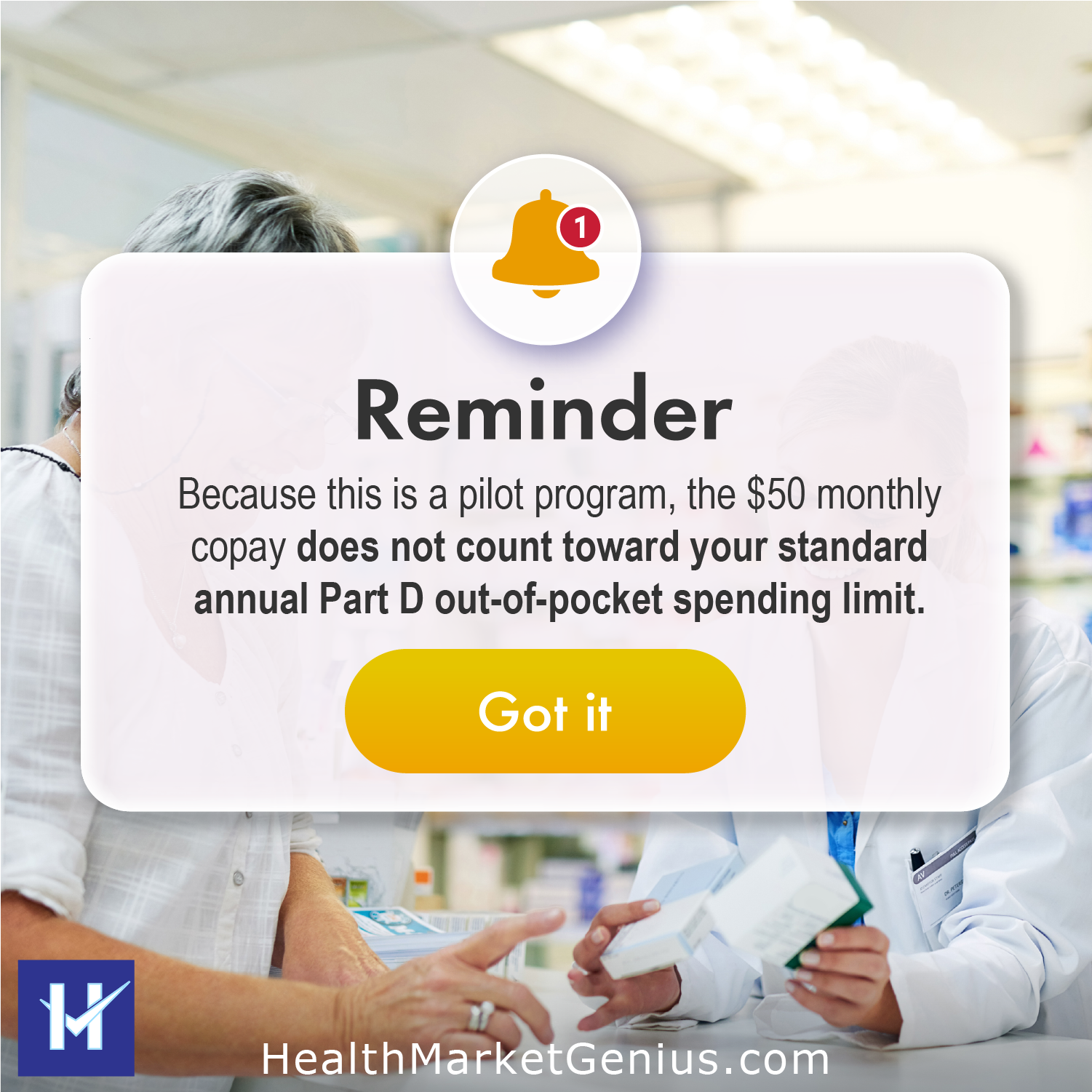
Separated Spending Limits
This is a vital piece of financial planning: because this program operates outside the standard Part D framework, the $50 you spend each month does not count toward your annual Part D deductible or your standard $2,000 out-of-pocket spending cap. It is an isolated, independent expense.
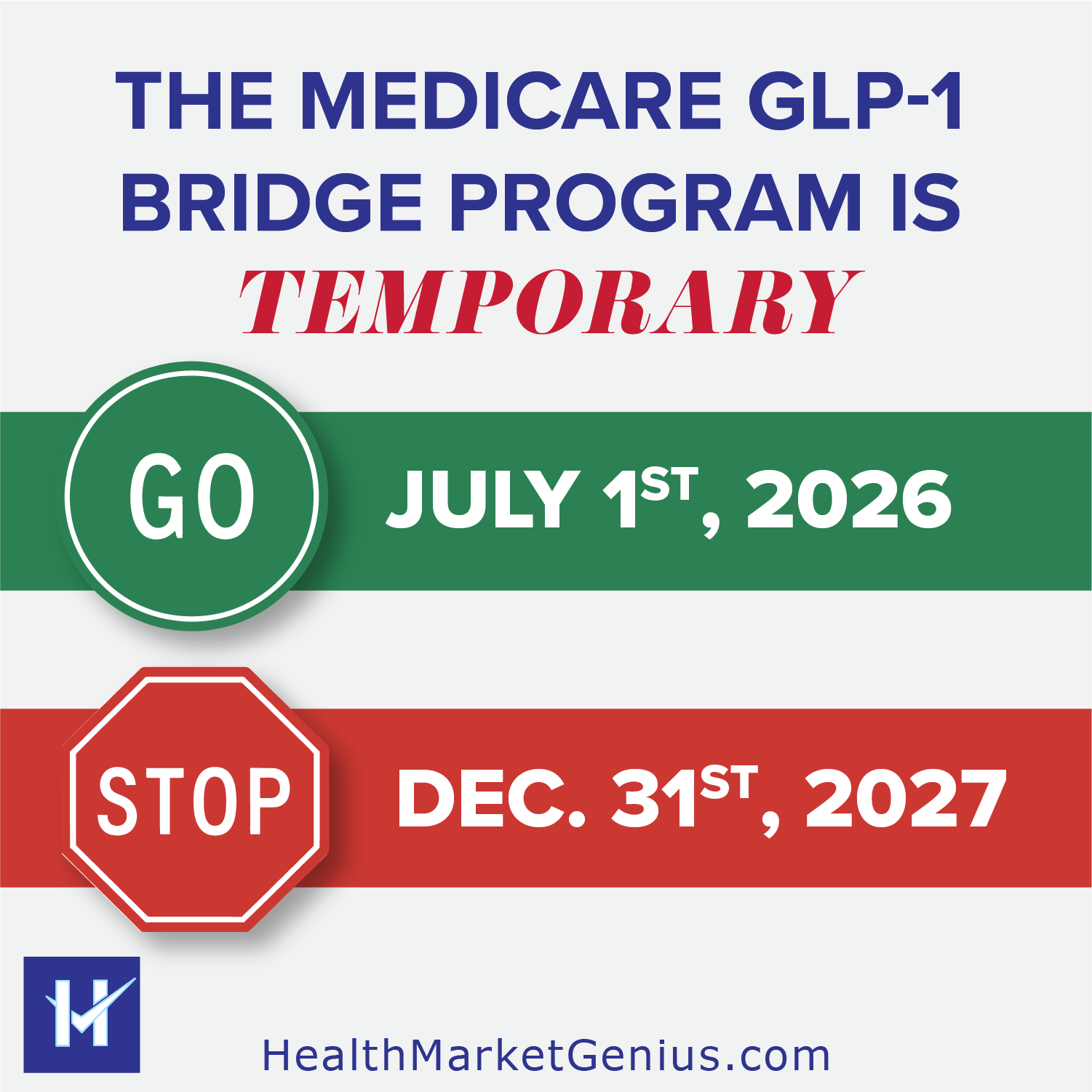
A Limited-Time Window
Remember, this is a time-limited bridge. It is explicitly scheduled to wrap up on December 31, 2027, as a prelude to the upcoming BALANCE Model, which will integrate lifestyle supports directly into regular Part D structures. Planning your long-term insurance transitions now is essential.

Bring Your Benefits Into Focus
Navigating federal healthcare pilots can feel incredibly overwhelming, especially when strict deadlines and hidden administrative portals are involved. When you need expertise on your side, remember that our help and professional guidance are always 100% free to you.