

The Truth About COBRA Coverage
Leaving your job shouldn't mean leaving your health plan behind. We decode the Consolidated Omnibus Budget Reconciliation Act of 1985 (COBRA), exposing the true cost of employer-sponsored extensions and highlighting affordable 2026 ACA Marketplace alternatives for transitioning employees in NC and SC.

Facing the Career Transition
Leaving a job is a monumental shift that comes with a massive checklist. Near the top of that list is protecting your healthcare. COBRA is the safety net most people turn to, but it’s critical to understand exactly what you're signing up for before you make your move.

Your Continuation Rights
COBRA stands for the Consolidated Omnibus Budget Reconciliation Act of 1985. This essential federal legislation ensures that employees don't immediately lose their medical safety net simply because they are transitioning between employers.

Familiarity in a Time of Change
The single biggest benefit of COBRA is continuity. Because you are staying on the exact same group policy, you don’t have to switch doctors, your current prescriptions remain covered, and every dollar you have already paid toward your annual deductible and out-of-pocket maximum stays with you. It does not reset to zero for the year.
For example: If someone has already hit their $3,000 deductible in May and they leave their job in June, staying on COBRA means their care is highly covered for the rest of the year. If they switch to a brand new ACA Marketplace plan in July, their deductible will reset to zero on that new plan.

Bridging the Insurance Gap
Think of continuation coverage as a temporary bridge, not a permanent destination. It is specifically designed to protect you from catastrophic medical bills while you search for your next professional opportunity or explore independent plan alternatives.

The Countdown Begins
Time is of the essence. You have a strict 60-day window from the day your workplace coverage officially terminates to elect COBRA. This clock is standardized by federal law, meaning procrastination can safely be called your budget's worst enemy.
The Retroactive Safety Feature
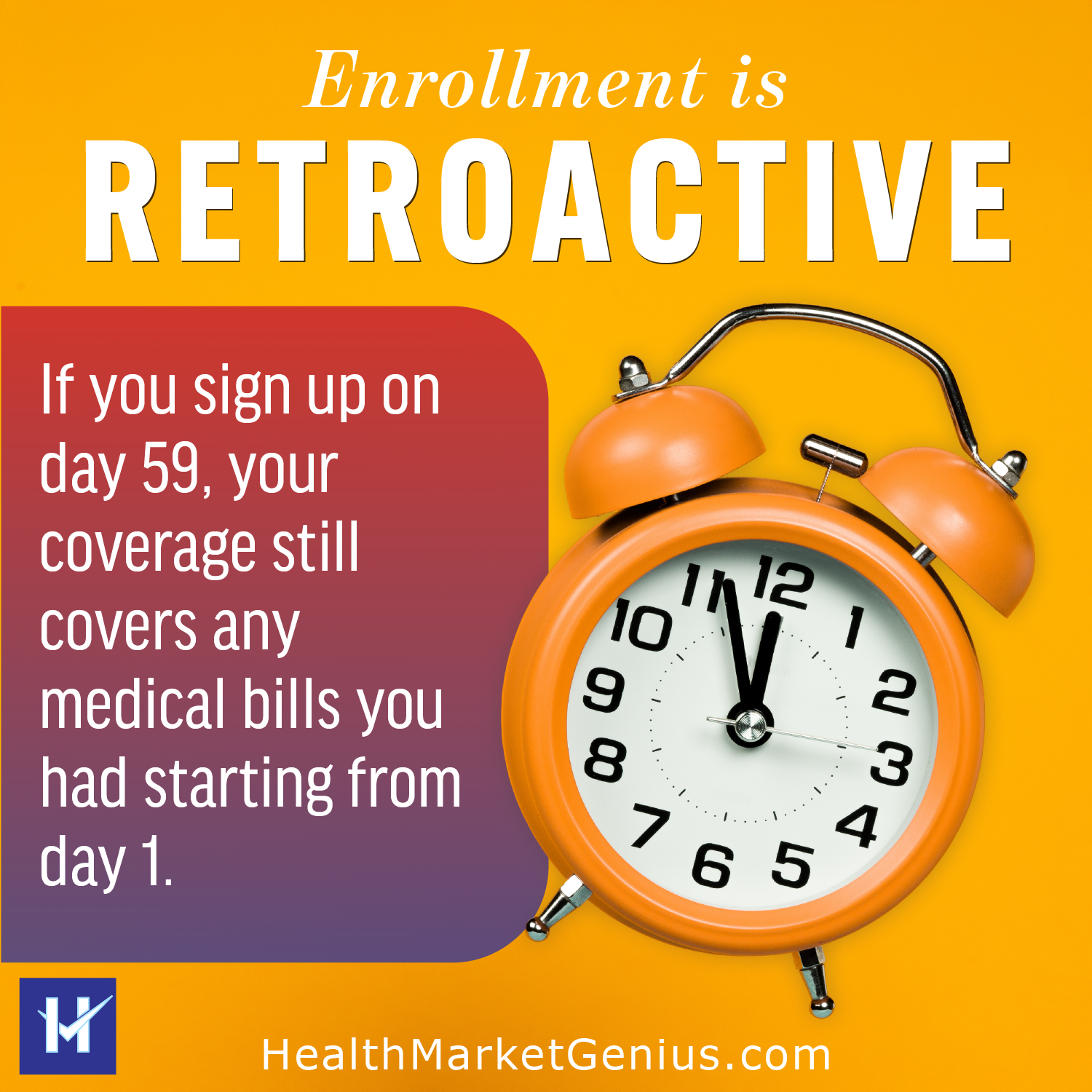
Here is a powerful feature: enrollment is completely retroactive. If you experience an unexpected medical emergency on day 30, you can still enroll on day 59 and the policy will go back in time to cover those medical expenses from day one.

Missing the Deadline
If that 60-day clock runs out and you haven't elected coverage, your bridge collapses. Missing this federal deadline means you lose your right to corporate plan continuation permanently, potentially leaving you completely exposed.

Calculating the Total Cost
While keeping your old plan sounds comforting, the cost structure shifts dramatically once you are no longer an active employee on the payroll. This is where most consumers experience an unexpected sticker shock.

The Reality of Group Premiums
When your COBRA packet arrives in the mail, brace yourself. Most people experience immediate sticker shock because they have never actually seen the true, unsubsidized retail cost of their employer-sponsored health care.

Paying the Full Premium Rate
When you are employed, your employer usually pays a massive percentage of your health insurance plan. On COBRA, that subsidy disappears. You become responsible for 100% of the premium, plus an additional 2% administrative fee added by the employer.

The Three Pillars of a COBRA Premium
Your new premium is the sum of three distinct parts: the amount previously deducted from your paycheck, the large chunk your employer used to cover for you, and a 2% administrative fee.

Utilizing Your HSA Tax Advantage
Here is an advanced financial strategy for the 2026 market: Health Savings Accounts (HSAs) typically ban premium payments, but COBRA is an authorized exception. You can use your accumulated pre-tax HSA funds to pay for COBRA premiums.
The Lifespan of Your Extension
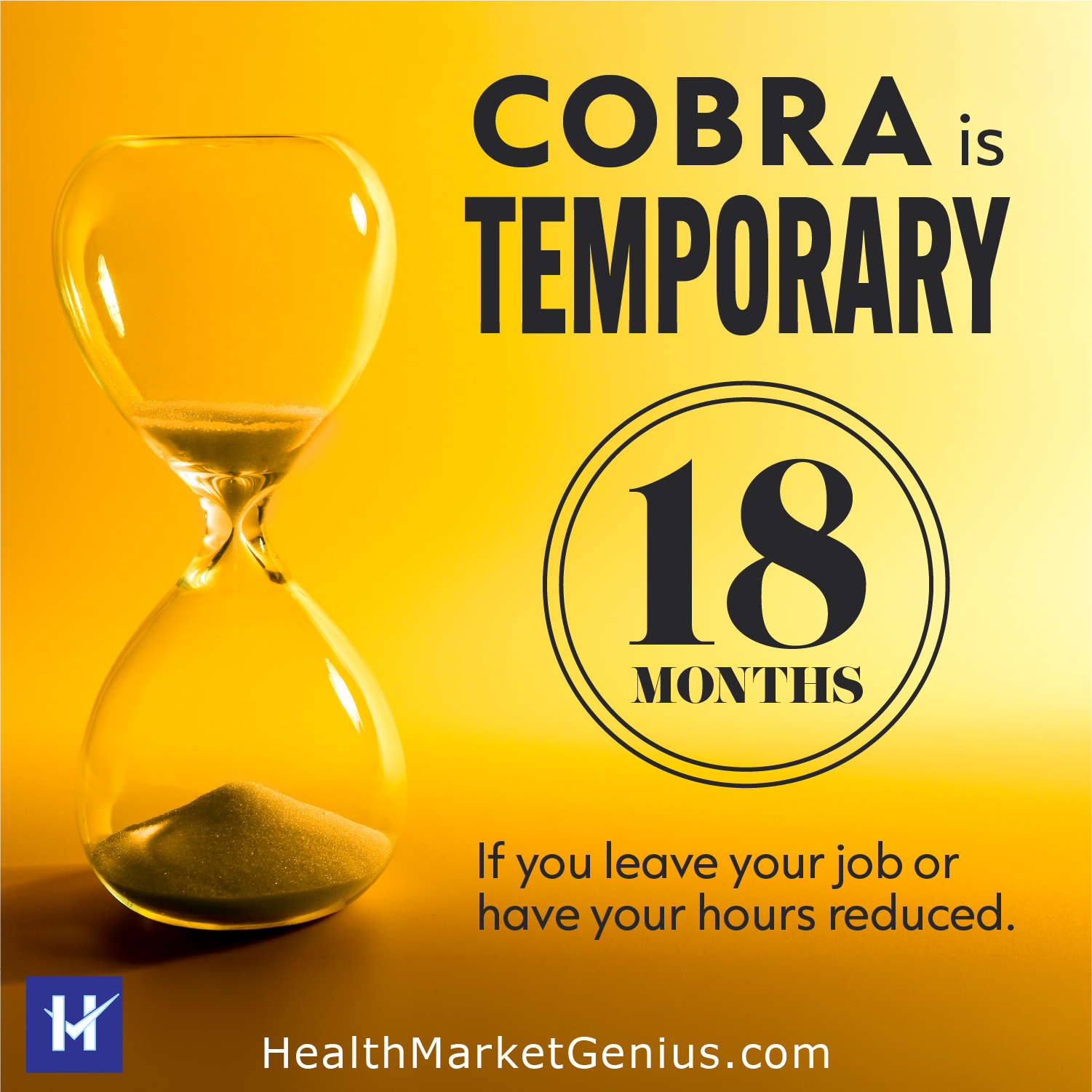
COBRA is built with an expiration date. For standard job loss, your continuation rights are strictly capped at 18 months.
However, there is a major safety exception: for qualified dependents facing a divorce, the death of the covered employee, or a child aging out of the plan at age 26, coverage can be extended for up to 36 months. Just remember: the family must notify the employer's plan administrator within 60 days of that event to get that extension, or they lose those rights permanently.

Navigating the Medicare Transition
Seniors must navigate this transition carefully. Becoming eligible for Medicare usually brings your legal right to COBRA to an abrupt halt. Failing to transition to Medicare Part B on time can trigger lifelong late-enrollment penalties.

Evaluating Affordable Alternatives
Losing job-based insurance is a qualifying event for the ACA Marketplace. Thanks to income-based premium subsidies, an individual Marketplace plan can often be hundreds of dollars cheaper than COBRA each month.

A Safety Net, Not a Healthcare Strategy
COBRA is a fantastic regulatory safety net if you are a few weeks away from a new corporate job with benefits. However, treating it as a long-term healthcare strategy usually results in bleeding unnecessary cash from your personal savings account.

Put Expertise on Your Side
You don't have to face a employment transition blindly. We can review your formal severance packages, calculate your exact premium options, and compare them side-by-side with localized alternatives in NC and SC. When you need expertise on your side, remember that our advice is entirely free.