

The cost of healthcare goes beyond your monthly premium, but the vocabulary of out-of-pocket expenses can feel like a foreign language. What is the real difference between a $40 copay and a 20% coinsurance? We explain these essential terms, helping you decode your plan so you can anticipate costs and protect your budget.

Decoding Your Out-of-Pocket Costs
Clarity begins with definitions. Most people feel overwhelmed by insurance not because the math is hard, but because the terminology is opaque. We’re stripping away the jargon to show you exactly how your money moves within your health plan.

Why Insurance Jargon Is So Confusing
Even doctors find insurance billing complex! If you’ve ever felt lost looking at an Explanation of Benefits (EOB), know that you aren't alone. Part of having expertise on your side is having a guide who can translate "insurance-speak" into plain English.

The Big Question: What Do I Owe?
Your monthly premium is just the "entry fee" to the plan. The real strategy lies in understanding the "hidden" costs you pay at the pharmacy or the doctor’s office. A smart shopper looks at the total cost, not just the monthly bill.
Copay: Your Predictable Fixed Fee
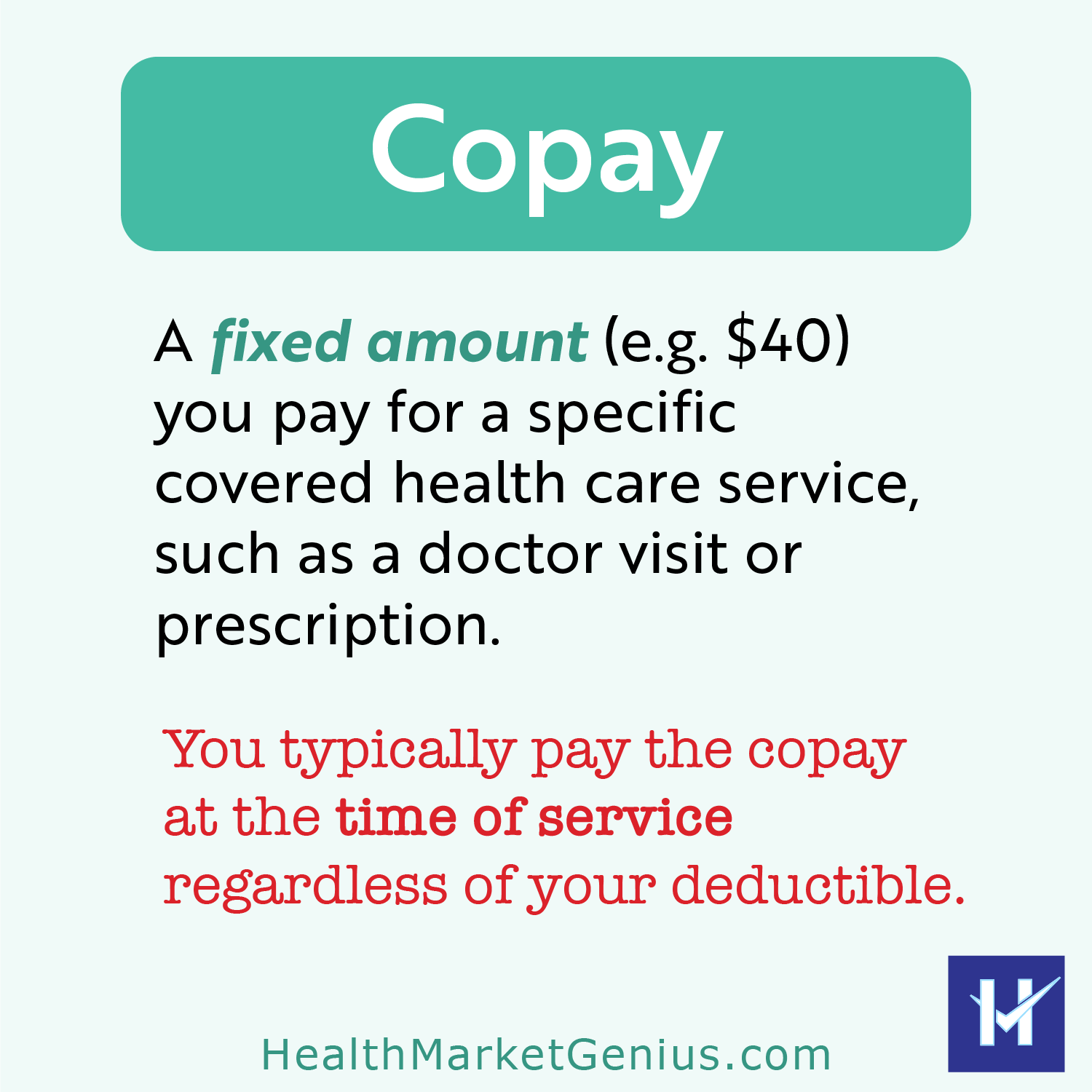
Think of a copay as a "predictable fee." Whether the doctor's bill is $150 or $300, your $40 copay stays the same. It’s the simplest form of cost-sharing because it’s a flat rate you can plan for before you even leave the house.

Deductible: Your Initial Financial Threshold
The deductible is your "threshold." Until you hit this number, you are responsible for your expenses. This is why choosing the right deductible is a balancing act: a higher deductible lowers your monthly premium but requires more "skin in the game" if you get sick.
Coinsurance: Sharing the Cost of Care
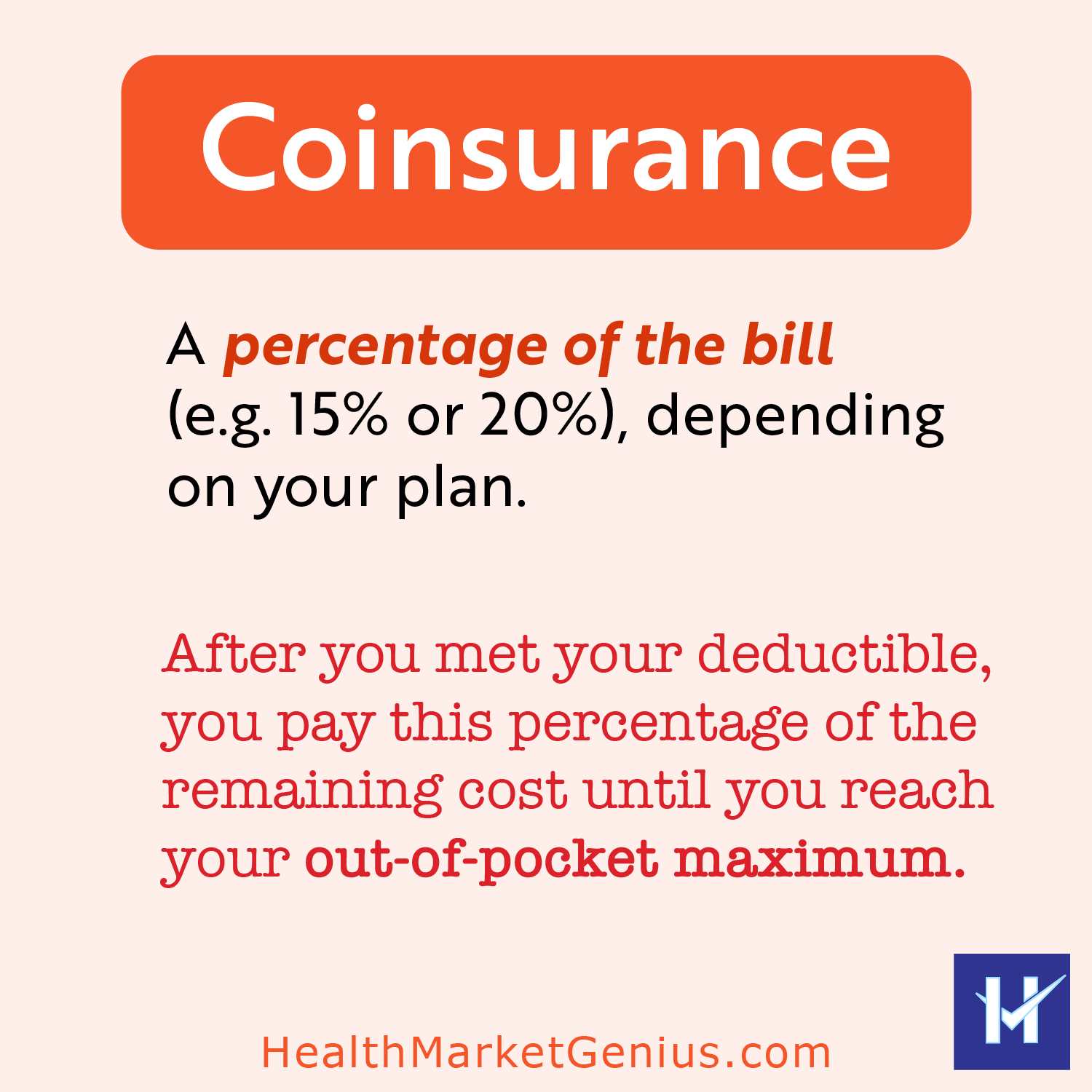
Coinsurance is a "partnership" between you and your insurance company. Once your deductible is met, you and the insurance company split the bill. If your coinsurance is 20%, the insurance company is picking up 80% of the expenses—a massive shift in your financial responsibility.
Putting the Math to Work: A Real-World Example
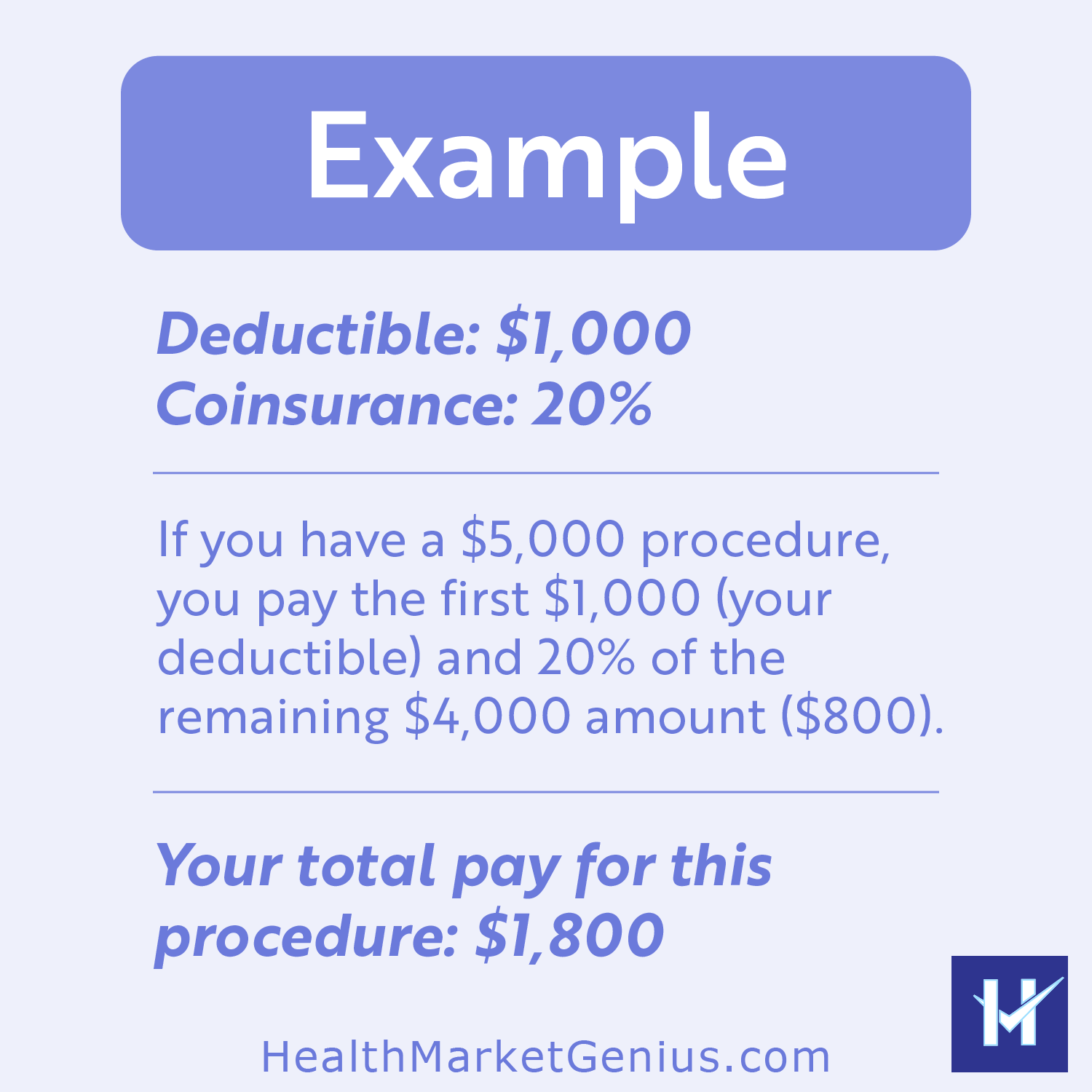
In this scenario, the first $1,000 is your responsibility, but the remaining $4,000 is where the insurance plan kicks in. Instead of $4,000, you pay 20% or $800. Your total bill comes to $1,800 instead of the full $5,000. This is how a well-chosen plan acts as a financial safety net.

The Safety Net: Out-of-Pocket Maximums
This is the most important "ceiling" in your plan. The Out-of-Pocket Maximum is the absolute most you will pay in a year. Once you hit this, the insurance company takes over 100% of the cost. It is your ultimate protection against catastrophic medical bills.

Strategy: Choosing a Plan for Your Budget
There is no "perfect" plan, only the plan that is perfect for you. A young person may prefer a high deductible to save on premiums, while someone managing a chronic condition might need lower copays. The smart move is to align the plan with your actual life.

Your Guide to Health Insurance Clarity
You don't have to do the math alone. We offer these insights for free because we believe an informed client is a protected client. Whether you're in North Carolina or South Carolina, reach out to us to discuss your specific healthcare options.